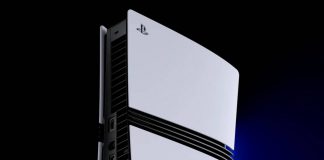
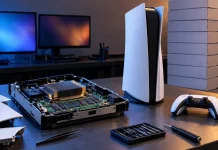












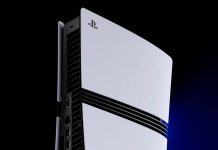


Sony told investors on November 5, 2026 that its next-generation console is on track. According to Eurogamer, the company says PlayStation 6 development is “progressing as scheduled” even as hardware costs climb. The phrase came from Sony CFO Lin Tao during the financial-results call, and it is the closest thing to a status report that PlayStation fans have received this year.
The sales picture is messier than the headlines suggest. Sony Interactive Entertainment’s own business data page reports more than 95 million PS5 consoles sold worldwide as of June 30, 2026. Secondary reports put the figure at 97.9 million after the September quarter, which would leave the PS5 about two million units short of 100 million. Sony’s page does not show that number, so this article treats it as reported but unconfirmed.
Console makers rarely give investors this much to chew on about a platform they have not named. Nintendo spent the same earnings season explaining a steep drop in Switch 2 shipments, which we covered in Switch 2 Sales Fall 41% to 2.67M. Sony is telling a different story: an aging hardware line, a growing service business, and a successor that is already absorbing planning money.

Don’t miss new tech stories on Google
Add Shattered once in the Google app and our stories show up in your news suggestions.
What Sony Actually Said About PlayStation 6 Development
Start with what the record supports. Sony does not use the name PlayStation 6 in the material cited by the outlets covering this story. The company refers to a “next-generation platform” and a “new platform.” Headline writers at Eurogamer, KitGuru, Metro, Comicbook and others adopted PS6 as shorthand, which is reasonable, but readers should know the label belongs to the press and not to Sony.
Reports attribute the “progressing as scheduled” wording to Lin Tao, though no primary Sony transcript was available to us when we wrote this. Eurogamer’s headline frames the comment as a response to hardware worries and rising costs. Metro went a step further and said the language implies no delay. That reading is an inference, not a Sony statement. A company can say a program is on schedule and still hold a schedule that sits years out.
Sony also said it intends to make solid progress in preparing for the next-generation platform, and that investment in the new platform will begin from the next fiscal year. Those two points matter more than the status line. A status line costs nothing to say. A budget commitment changes how a company allocates engineers, supplier orders and marketing money.
Nothing in the available reporting on PlayStation 6 development gives a PS6 release date, launch window, price or specification. Anyone quoting a date today is repeating a rumor. We keep that boundary throughout this analysis, and we mark every figure as official, reported or unconfirmed so you can weigh it yourself.
PS5 Sales: Official 95 Million Versus the Reported 97.9 Million
The cleanest number comes from Sony itself. Sony Interactive Entertainment lists cumulative worldwide PS5 sales of more than 95 million units as of June 30, 2026. That figure covers the period through the end of the June quarter, so it predates the results released on November 5.
The 97.9 million figure arrives through secondary reporting. Those reports also say Sony shipped 2.6 million PS5 units in the quarter that ended September 30, 2026. The arithmetic is plausible, since a rise from just over 95 million to 97.9 million implies a bit under three million units of growth across the period that includes the September quarter. But plausible is not confirmed, and the official page we checked does not carry the newer total.
Why the Gap Between the Two Numbers Exists
Sony updates its public sales page on its own schedule, and that schedule often trails the earnings call. Outlets covering the call work from slides, spoken remarks and press materials, which reach the web faster than a revised data page. GameSpot headlined its own report with the claim that the PS5 is closing in on 100 million sales despite getting more expensive. That framing captures the tension. Volume keeps climbing while the sticker price makes each sale harder to win.
Until Sony refreshes its page, the safe wording is simple. More than 95 million is official. About 97.9 million is reported. “Near 100 million” is a description of the second number, not a confirmed milestone.
What Is Confirmed and What Is Not
The table below separates the claims by how well the available sources support them. We built it from the fact sheet behind this article and the outlets named in each row.
| Claim | Status | Source basis |
|---|---|---|
| More than 95 million PS5 units sold worldwide as of June 30, 2026 | Official | Sony Interactive Entertainment business data page |
| 97.9 million cumulative PS5 units | Reported, unconfirmed | Secondary outlets, not the Sony sales page |
| 2.6 million PS5 units shipped in the quarter ended September 30, 2026 | Reported, unconfirmed | Secondary outlets |
| Next-generation platform development “progressing as scheduled” | Reported, no transcript available | Reports of comments by Lin Tao |
| Investment in the new platform begins from the next fiscal year | Reported, unconfirmed | Reports of the earnings call |
| Official name PlayStation 6 | Not confirmed | Sony says “next-generation platform” |
| Release date, price, specifications | None provided | No source supplies them |
Seven rows, and only one of them is a hard number straight from Sony’s own data page. That ratio explains why careful reporting on console roadmaps reads thin. The company discloses the minimum its investors need and nothing that would let competitors time a counter-launch.
Lin Tao’s Remarks in Context
The most useful material in this story is the wording itself. Video Games Chronicle captured several statements from the web call. Sony Chief Financial Officer Lin Tao said: “Although new PS5 unit sales are gradually declining as expected at this stage of the console life cycle, the PlayStation platform continues to expand and grow in a stable manner.”
Read that sentence slowly. Declining hardware sales are described as expected, which is how a CFO prepares investors for a lower unit count without alarming them. The second half shifts the weight to the platform, meaning the player base and the services around it, rather than to the box.
On the successor, Lin Tao said: “We also intend to make solid progress in preparing for the next-generation platform.” The verb choice is modest. Intend, make progress, prepare. None of those words promises a reveal, a launch or a price.
He then tied the plan to spending. Lin Tao said: “From next fiscal year onward, there will be investment in the new platform.” That line is the real news. Sony is signaling that the cost of the new hardware program will start to show up in financial results from the next fiscal year, and analysts can model against it.
Investment Timing and What It Signals
Spending that begins next fiscal year does not mean a console arrives next fiscal year. Hardware programs carry heavy upfront costs well before a product ships. Silicon design, tooling, developer kit production, first-party software budgets and marketing reserves all hit the books early. Investors who hear “investment starts” should read it as “margins get squeezed before revenue shows up.”
Lin Tao also stressed the strategic weight of the program. He said: “For future growth, we have to attach great importance to a new platform and make the necessary investments for that.” Then he added a counterweight: “We have to support the soundness of our platform and think about how rationally we can invest in that platform.”
Put those two quotes side by side and you can see the balancing act. Sony wants the next platform and has promised money for it. Sony also wants to protect profitability while component prices stay elevated. That is a company telling shareholders it will spend, but carefully, and it is a stance that fits the cost pressure Eurogamer’s headline mentions.
The word “rationally” deserves attention from developers and hardware partners. It hints at a program run with tight cost targets, which tends to favor proven manufacturing processes over exotic bets. We cannot say that from the record, but it is a fair reading of the tone.
Why the “Near 100 Million” Headline Overreaches
Several outlets lead with the milestone angle. Gagadget titled its piece with the idea that PS6 is on schedule as PS5 nears 100 million shipped, and Playday ran a similar line. The framing sells well because round numbers attract clicks. It also blurs two facts that deserve separate treatment.
First, shipped is not sold. Console makers usually report sell-in, meaning units delivered to retailers, and that can run ahead of units that reach customers. The official Sony page we cite says sold, and the secondary reports say shipped for the quarter. Readers should not treat the two words as interchangeable.
Second, the official figure is the June 30 snapshot. Anything newer depends on reporting that we could not match to a Sony primary document. A milestone cannot be declared on that footing. Our headline uses the official number for that reason, and we label the 97.9 million estimate as reported.
None of this makes the story less interesting. A console that has passed 95 million units on Sony’s own count is one of the best-selling game machines ever made, and the remaining distance to 100 million is small. The caution is about accuracy, not about downplaying the result.
The PS5 Life Cycle: Declining Units, Growing Platform
Every console follows a curve. Early years bring supply constraints and pent-up demand, the middle years bring peak volume, and the late years bring slower unit sales while the installed base keeps buying games and subscriptions. Lin Tao’s remark that PS5 unit sales are gradually declining as expected places the PS5 in that late stage.
Engadget’s headline on the same earnings report says Sony is selling more PS5 games but still struggling to meet console demand. Those two ideas pull in opposite directions, and they probably reflect different regions or configurations. We do not have the data to untangle them, so we flag the tension without resolving it. If supply is tight in some markets, a quarter of 2.6 million units would reflect constraints as much as demand.
The business logic favors software, which is why PS5 sales matter less each quarter than the platform around them. A player who already owns a PS5 generates revenue through game purchases, add-on content and subscriptions, and each of those carries better margins than the console. Sony has leaned into that shift across the generation, and the CFO’s wording about a platform that keeps expanding in a stable manner fits it.
Big releases still move the installed base. Our earlier piece on the November launch calendar, GTA 6 Lands Nov. 19, looks at how a single title can reshape holiday console demand. Sony will watch that release closely, because it influences how many PS5 units move before the new platform becomes the main story.
Memory Costs and the Price Problem
Both Eurogamer and GameSpot point at cost. Eurogamer’s headline mentions rising costs, and GameSpot’s says the PS5 is getting more expensive. We lack a cited breakdown of which components drive the increase, but the broader hardware market gives a clue. Our report on Apple’s results, Mac Sales Hit $10.8B, Memory Costs Cut Margin, showed memory pricing eating into a major hardware maker’s margins this quarter.
Console makers feel that pressure harder than phone makers because consoles sell near cost early on and rely on volume to bring prices down. When component prices rise instead of fall, the usual pattern flips. Our coverage of Ternus’s warning on RAM costs explains why that matters for any product built around fast memory.
For Sony, this has two consequences. A new platform designed in this environment must hit a price consumers will pay, and the company has already shown on the current model that it will raise prices when it must. The CFO’s emphasis on rational investment reads differently once you place it against that cost backdrop.
Shoppers feel it too. Anyone weighing a purchase today can compare official and refurbished routes in Refurbished PS5: $549 Sony vs $1,399.99 GameStop Pro, which shows how wide the price spread has become across sellers.
Sony Versus Nintendo: A Quarter-by-Quarter Comparison
The two companies reported results for the same calendar quarter, which makes a side-by-side useful. The Switch 2 numbers come from our earlier coverage of Nintendo’s results. The PS5 quarterly figure remains a secondary-source report.
| Metric | PlayStation 5 | Nintendo Switch 2 |
|---|---|---|
| Units in quarter ended September 30, 2026 | 2.6 million (reported, unconfirmed) | 2.67 million (per our Nintendo coverage) |
| Cumulative units | More than 95 million as of June 30, 2026 (official) | 26.35 million (per our Nintendo coverage) |
| Product stage | Late in life cycle, per Sony’s CFO | Early in its life cycle |
| Successor status | Next-generation platform “progressing as scheduled” (reported) | No successor discussed |
| Price direction | Rising, per GameSpot’s headline | Price hike discussed in our coverage |
Two points jump out. The quarterly units are nearly level, with the reported PS5 figure about 70,000 below the Switch 2 figure, which says something about how much a late-cycle PlayStation still sells. And the installed bases are separated by a wide margin, so the PS5’s cumulative lead is huge. Our deeper analysis of Nintendo’s second-half target sits in Switch 2 Must Sell 10M in H2.
Treat the comparison with care. The reported PS5 number is unconfirmed, and the two consoles sit at opposite ends of their life cycles. A late-cycle product matching a launch-year product in units shows resilience, but it is not evidence of rivalry in a head-to-head sense.
Historical Context: How Sony Handles Console Transitions
Sony’s console generations have run for roughly six to seven years. The company has tended to announce successors well before launch, but it has also kept formal details back until a dedicated event. A routine earnings-call update that mentions progress without a name follows that pattern.
What a Quiet Roadmap Usually Means
Console makers guard timing for two reasons. Early announcements can stall sales of the current model, because buyers wait. And a fixed date locks the company in before component prices and manufacturing yields settle. With memory costs volatile, Sony has good reason to stay vague.
That logic also explains the CFO’s careful tone. Saying the program is on schedule reassures investors that nothing has slipped. Declining to say what the schedule is protects the PS5’s remaining sales. Both goals fit in one sentence.
Rumor mills fill the vacuum, and they have already produced a lot of material about handheld versions and hybrid designs. Our rundown of those claims, PS6 Handheld: 0 Specs Confirmed vs 5 Real Rivals, is a good filter. Nothing in Sony’s remarks this week confirms or denies a handheld.
What Developers and Publishers Should Watch
For studios, the practical question is when development kits and technical guidance start to circulate. Sony has not said, and the investment timing suggests that external partners will hear more once spending ramps. Teams planning multi-year projects should track three signals.
- Fiscal-year guidance: Sony’s next full-year forecast should show how large the new-platform investment is and how it affects margins.
- Developer communications: Registered studios usually learn about new hardware before the public does, and leaks tend to follow.
- First-party release cadence: A shift in how Sony schedules its own big titles can hint at a hardware transition.
Cross-generation planning will matter too. With a PS5 base this large, publishers will keep shipping for it for years after any successor appears. Backward compatibility questions are open because Sony has said nothing on the subject, so studios should not assume anything about it.
Our gaming section tracks hardware and platform news as it develops, and we will update this analysis if Sony publishes a primary transcript or revises its sales page.
Market Impact: Investors, Retailers and Accessories
Investors get a clearer cost timeline for PlayStation 6 development. Spending on the new platform starts from the next fiscal year, so analysts will likely adjust margin models for the games and network services segment. The CFO’s mix of confidence and caution gives them room to argue either way.
Retailers face a delicate period. If shoppers believe a successor is near, they hold off on the PS5. Sony’s refusal to give a date is partly a retail-management tool. Holiday sales depend on that uncertainty staying contained.
Accessories show Sony still invests in the current generation. The PlayStation Blog introduced the PlayStation Pulse wireless headset line for PS5 earlier this fall. That is a current-generation audio product and says nothing about the next console. It does show Sony keeping the PS5 ecosystem active while the successor stays out of view.
The following table summarizes who is affected and what each group should expect, based only on the confirmed and reported information above.
| Group | Near-term effect | What to watch |
|---|---|---|
| Investors | New-platform spending enters models from next fiscal year | Margin guidance in the next forecast |
| Retailers | No date means PS5 demand stays intact through the holidays | Any Sony hint at a reveal event |
| Studios | Planning continues across both generations | Developer kit and technical guidance timing |
| Consumers | Pricing pressure on PS5 persists | Official versus refurbished price gaps |
| Rivals | Sony shows no timing, so counter-planning is guesswork | Sony’s next earnings call wording |
Five Predictions for the Next Platform
These are our judgments, built on the confirmed and reported facts above. None is a Sony statement.
- Sony keeps the name and date private through the holiday quarter. The PS5 still has a big seasonal window, and the company gains nothing from distracting buyers.
- The next forecast puts a visible number on new-platform spending. The CFO tied investment to the next fiscal year, so guidance has to address it.
- Official PS5 totals cross 100 million without fanfare. If the 97.9 million report holds, the milestone should land within a few quarters at the current pace, though Sony may mark it quietly.
- Price stays the central consumer question. Memory costs shape what Sony can offer, and the “rational” investment language points to a cost-controlled design.
- Rumors about a handheld continue without confirmation. Sony’s phrasing leaves every form factor open, so leaks will keep circulating.
The riskiest of these is the third, because PS5 sales can shift with pricing and supply. Sales pace can shift with pricing and supply, and Engadget’s headline about unmet demand shows that supply is not a settled matter. We expect Sony to confirm a round milestone only when its own data page does.
What We Still Don’t Know
The gaps are large. No source in our research supplies a PS6 release date, a price, a processor, a memory configuration or a storage figure. No source says whether the new platform is a traditional console, a handheld or a hybrid. And no primary Sony transcript was available to confirm the exact wording of the CFO’s remarks as reported.
Readers will see claims elsewhere that fill these gaps with confidence. Check whether the claim cites Sony directly. If it cites an anonymous leaker or a “people familiar” line, treat it as speculation. The official record today is short: development is progressing as scheduled per reports, and investment begins from the next fiscal year.
The takeaway: Sony gave investors a status line and a spending timeline, not a product. The PS5 is past 95 million on Sony’s own count, with a reported 97.9 million that still needs official confirmation. The next real milestone will be Sony’s own words on the new platform, and the company has chosen not to say them yet.
FAQ: PlayStation 6 Development and PS5 Sales
Is the PlayStation 6 officially announced?
No. Sony refers to a next-generation platform or new platform and has not used the name PlayStation 6 in the material cited by the outlets covering this story. Press headlines use PS6 as shorthand.
When is the PS6 release date?
Sony has not given one. The available results contain no release date, launch window, price or specifications, so any date you see is a rumor.
How many PS5 consoles has Sony sold?
Sony Interactive Entertainment’s data page reports more than 95 million units worldwide as of June 30, 2026. Secondary reports say 97.9 million after the September quarter, but that figure is unconfirmed.
How many PS5 units shipped in the latest quarter?
Secondary reports say 2.6 million units in the quarter ended September 30, 2026. The Sony page we checked does not list that number.
What did Sony’s CFO say about the next platform?
Lin Tao said Sony intends to make solid progress in preparing for the next-generation platform and that investment in the new platform will come from next fiscal year onward. Reports also attribute the “progressing as scheduled” wording to his comments.
Does on schedule mean a near-term launch?
No. On schedule describes progress against Sony’s internal plan, and that plan has not been published. Investment starting next fiscal year points to a program still in its spending phase.
Should I wait for the PS6 before buying a PS5?
With no date, price or specification available, there is nothing to wait for yet. The decision depends on the games you want to play and the PS5 price you can find today.
Story via Shattered. Read the original article