

























There’s a lot that a Metacritic score can’t tell you. Look up the original The Legend of Zelda: Ocarina of Time on the review aggregate site and you’ll find that it has a 99. Impressive! What that number doesn’t capture, though, is how significant the reaction to Ocarina of Time felt in 1998. The critical awe was nothing short of unprecedented at that point in video game history — I remember some publications even going as far as to award it an 11/10. The atmosphere around what was being hailed as a revolutionary game made you feel like you were experiencing history. Looking back at that moment from 2026, it’s astounding that Ocarina of Time’s legacy actually lived up to that hype long-term.
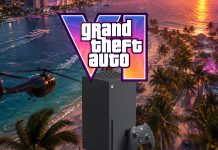
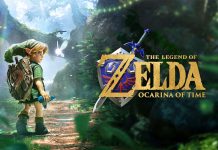
More than 25 years later, Grand Theft Auto 6 has become the first video game to jump Ocarina of Time reception with a 99 of its own. Players in 2026 are no doubt feeling their own historic moment brewing as GTA 6 has become a rare monoculture event that feels poised to set the bar for big-budget video games of its kind moving forward. To add to the poetry, GTA 6 just happened to launch a few weeks after a Switch 2 remake of Ocarina of Time, which showed a new generation of players why so many still revere Nintendo’s finest as a legendary adventure.
Whether it was accidental or fated, the past few weeks have given video game enthusiasts a true passing of the torch moment between an all-time classic and a future all-time classic. That’s worth embracing if you love the medium enough to let it evolve.
As cliché as it is to say, there’s a good chance that GTA 6 would not exist without Ocarina of Time. Though the Nintendo 64 game might feel fairly compact by today’s standards, it was positively sprawling in 1998. Hyrule Field especially felt like an expansive open world, despite the fact that it feels miniscule and empty by today’s standards. The wealth of secrets nestled between epic story moments helped create a grand new vision of what an adventure game could be in 3D. Would the industry have found its way to modern games without Ocarina of Time? Perhaps, but Nintendo undeniably created a foundational genre language that so many games still follow today.
When games have only gotten bigger in the decades since Ocarina of Time, it’s easy to lose sight of what that moment once meant, and the game’s excellent remake couldn’t have come at a better moment. The Switch 2 remake doesn’t take too many liberties with the original game beyond its bold visual style; it’s a fairly 1:1 recreation that streamlines the controls and cleans up a few puzzles. But part of the joy of the remake is discovering that Ocarina of Time isn’t really in need of touch-ups. It proves that the underlying design is timeless, with its meticulously hand-crafted world still able to deliver genuine surprises for brand-new players. I walked away from a remake of a game I’ve always loved with a greater appreciation of the captivating details that have allowed it to stick in my memory as long as it has.
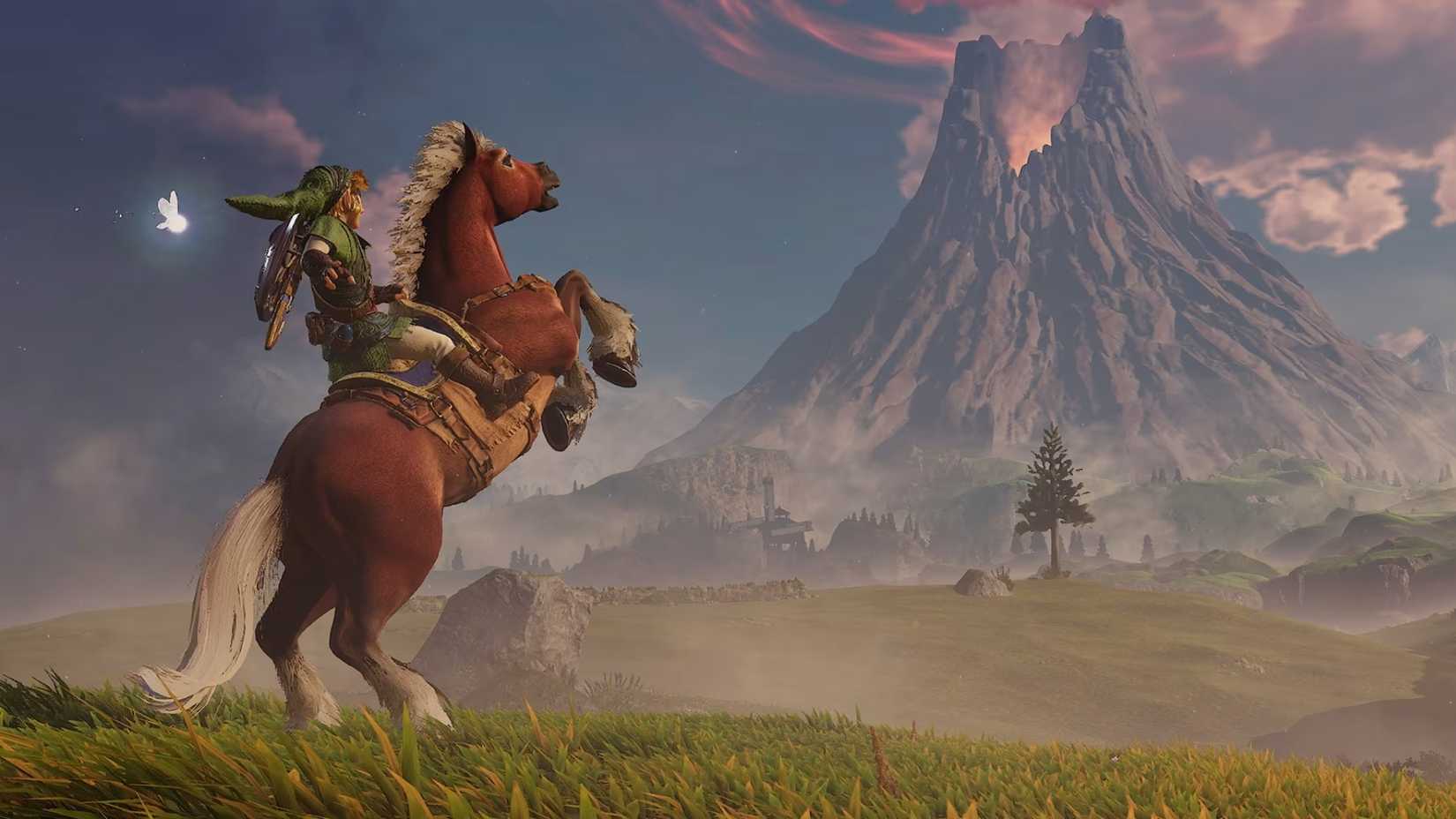 Image: Nintendo EPD/Nintendo
Then, only a few weeks later, I started playing GTA 6. Zelda receded into the back of my mind as I marveled at realistic visuals, an astonishingly detailed map, and criss-crossing systems that opened the door for wild emergent moments. So much of that comes from developer Rockstar Games’ own design DNA, which even predates Ocarina of Time. But I started seeing links between GTA and Zelda the more I chewed on the design. For instance, GTA 6’s opening feels spiritually inline with Breath of the Wild’s introduction: The Leonida Keys is as efficient a tutorial zone as the Great Plateau. And you can argue that the Great Plateau largely builds off of Ocarina of Time’s Kokiri Forest as a foundation, giving Link a small place to learn before setting him free in the wide-open Hyrule Field.
Look closely, and Ocarina of Time’s long-term influence on game design is apparent when you play its remake and GTA 6 back-to-back. Both games derive so much of their joy from letting you loose in a tightly crafted world that gives you plenty of room to wander off and hunt for secrets that reward your curious eye. When I spoke to Zelda producer Hidemaro Fujibayashi about Zelda’s legacy earlier this month, he chalked the series’ staying power up to a “cycle of exploration and discovery” that’s built around seeing something suspicious and following it. GTA 6 very much follows that same rule, often leading you into unexpected sidequests via a swerving tractor or a mysteriously abandoned car on the side of a road. That experience isn’t exclusive to Zelda, but it’s something the series perfected decades ago.
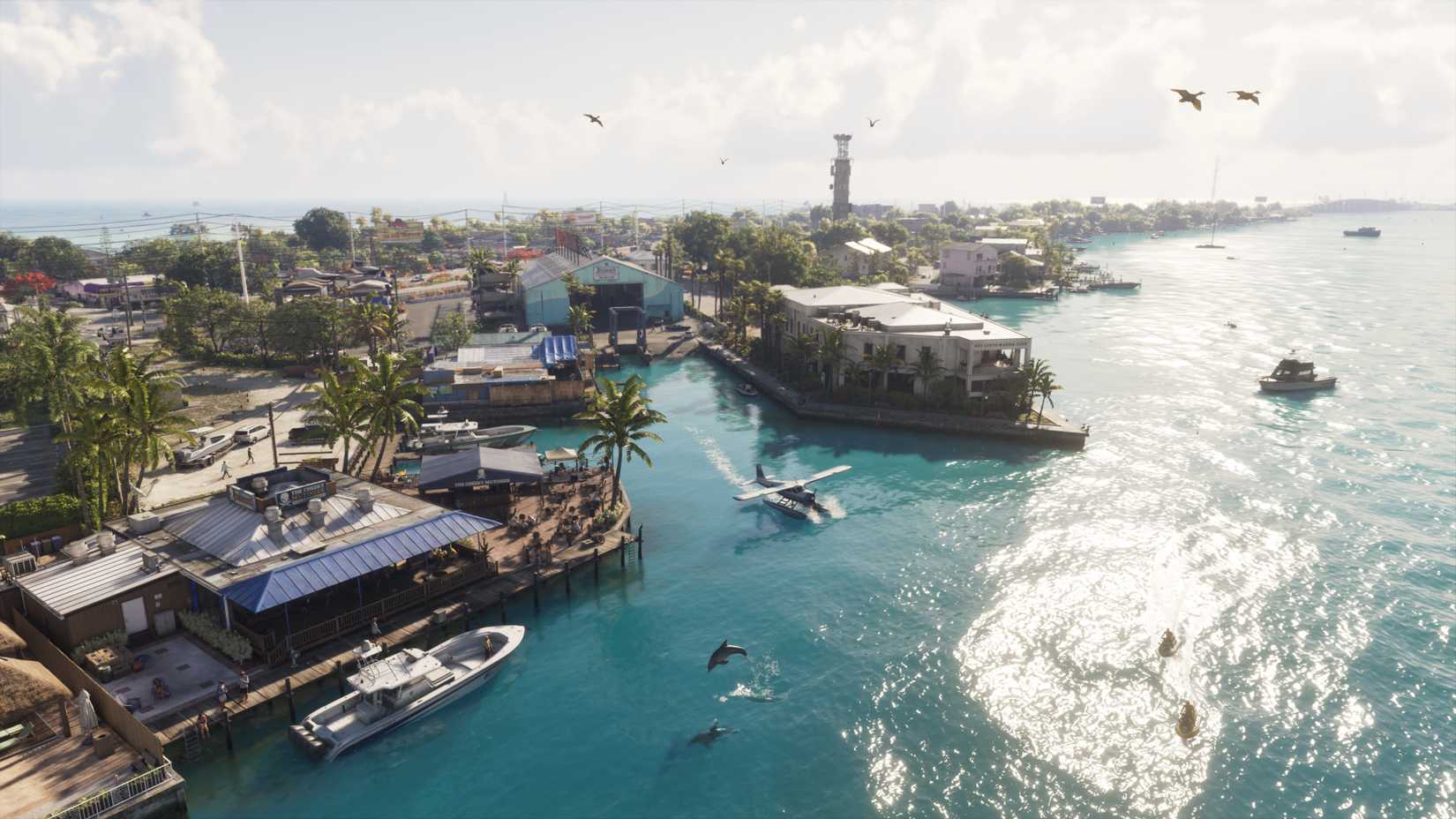 Image: Rockstar Games
In that way, GTA 6 reaches the pinnacle of a mountain that few games sit atop of. It takes the Zelda experience and ratchets it up another notch with complex systems that create a world that feels like it exists even when you’re not there. That’s where you can mark a clear evolution from something like Ocarina of Time, where everything feels like it’s carefully set up for the player. If GTA 6 revolutionizes gaming going forward, its influence will likely come in the form of unmarked quests that you stumble into by chasing the sound of NPCs shouting off in the distance.
Because of innovations like that, it’s not surprising to me that GTA 6 is the first game that actually has managed to be a contender for Ocarina of Time’s championship belt. It takes decades of tried-and-true video game design and combines that with nuanced characters, strong storytelling, and juicy systems that take sandbox experimentation to a new level of chaotic joy. If anything deserves to be mentioned in the same breath as Nintendo’s greatest achievement, perhaps it really is GTA 6.
 Image: Rockstar Games
I recognize the discomfort in that. As someone who was part of the fervor around Ocarina of Time, I’ve long thought that comparing anything to it would be sacrilegious. In fact, the idea of adding any modern game to a list of classics that includes Super Mario Bros., Tetris, and Final Fantasy 7 can often feel hard to accept. I mean, that’s a sky-high bar. In some ways, I understand why some Zelda fans have taken to review-bombing GTA 6 on Metacritic to defend history from a critical snap judgment, even if it’s a ludicrous behavior that Metacritic should take measures to clamp down on.
But the older I get, the more it feels like a mistake to be too precious about the “canon” of video game art. The reality is that the medium is still young. Ocarina of Time feels ancient, but it came out the same year as The Big Lebowski. It’s not exactly a work of art that was recovered from the ruins of a dead civilization. We’re still very much living in an era of gamemaking that is playing with similar design ideas and taking them to logical heights. GTA 6 entering the conversation is a sign that the medium has not stagnated, peaking at one excellent adventure game that could never be topped. It would be a little damning if the bar never moved in a moment when the medium is still growing.
Story via Polygon. Read the original article