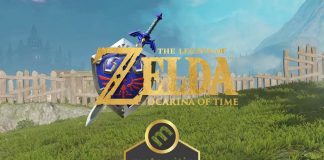








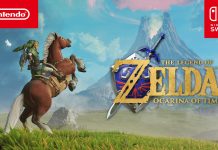












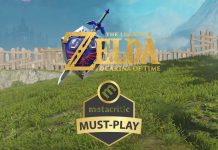

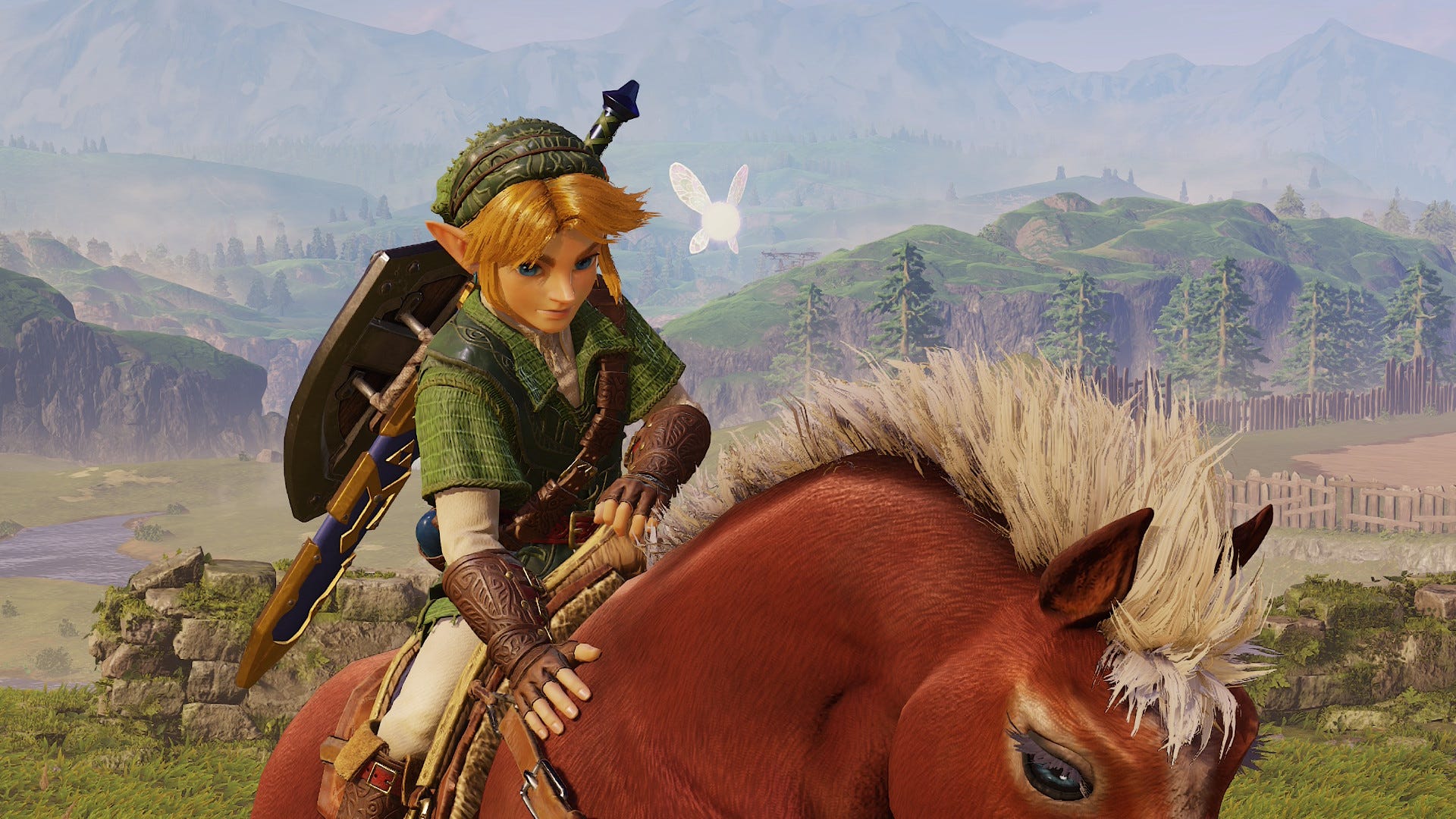
Two brain-blasting stories collided this week: the US midterms and the advent of The Legend of Zelda: Ocarina of Time remake. Neither had much to do with each other, but both strung me out. Enjoy these choice morsels from my NPR.org review (of the game, not the election!):
With its tale of an idyllic world despoiled by the lust for power, The Legend of Zelda: Ocarina of Time feels as relevant today as it did in 1998. Nintendo’s new remake, out Thursday on the Switch 2, enshrines its place in the gaming canon for generations to come. But despite its stupendous production values and painstaking details, the game left me feeling oddly bereft.
Perhaps I should have expected as much. Ocarina of Time weaponizes nostalgia even within its narrative, as the protagonist Link ventures to save his post-apocalyptic world as an adult after first working through it as a kid. You’ll uncover old characters enduring new catastrophes. You’ll try to rescue everyone you meet. You’ll strive to bring things back to how they were before — no, better than they were before.
Seven years stretch between Link’s childhood and adult adventures. 28 years yawn between the remake and the original’s release. Both in and out of the game, Ocarina of Time makes us yearn for an idealized past. […]
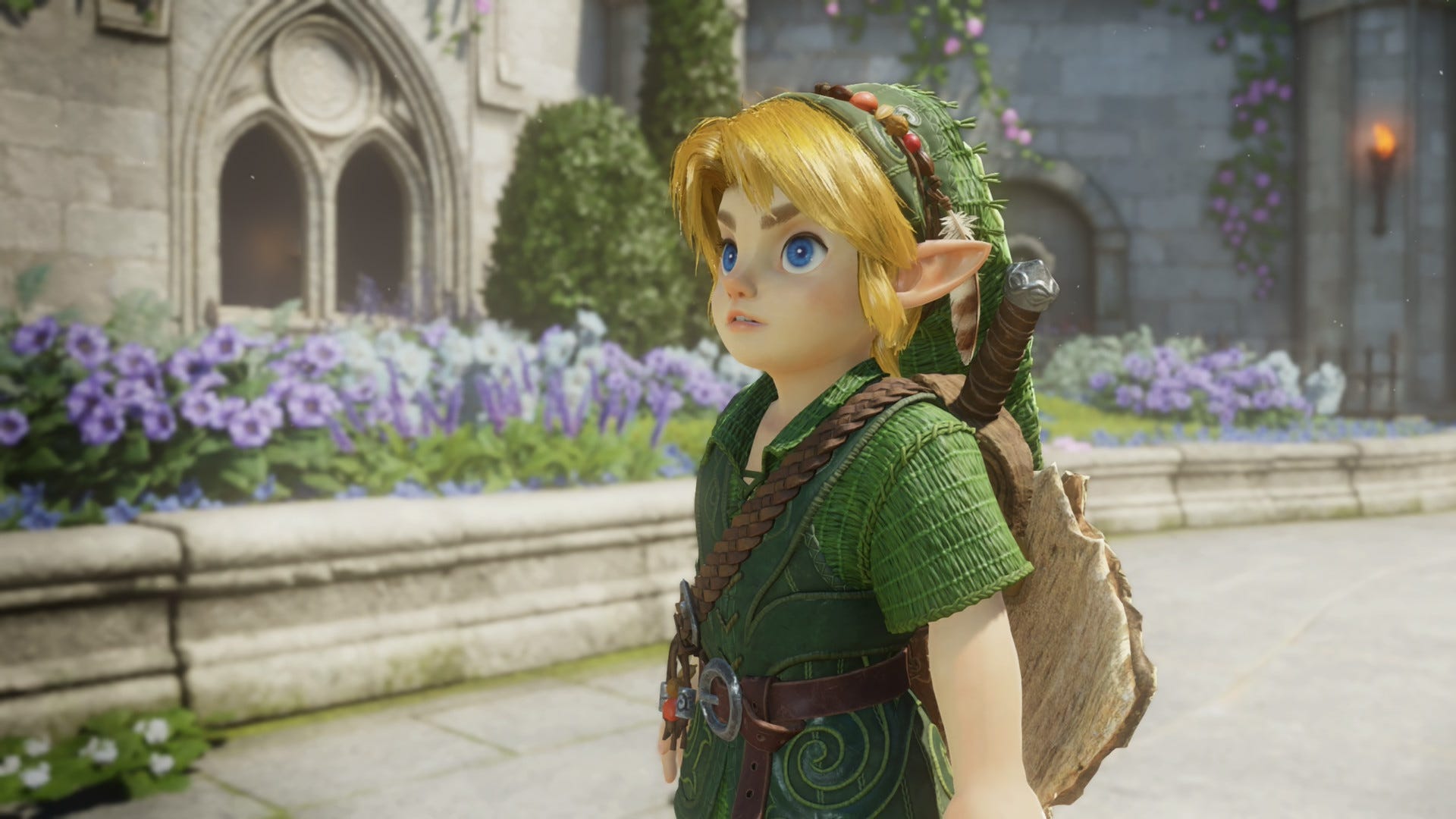
It’s the remake’s aesthetic changes that stand out most. The game’s astonishingly ornate textures can jar with its cartoony proportions. Ninety-eight percent of the time the translation is a clear upgrade, but other times it leads straight into the uncanny valley.
The animations are much more extensive — so much so that the new cutscenes, particularly in the game’s opening hours, can drag down the pacing. The game also fleshes out unspoken implications and flattens rough edges. Mido, the jerk who blocks your progress in Kokiri Forest, has been subtly rewritten from bully to overbearing but well-intentioned boss. Kaepora Gaebora, the talking owl who guides your path, won’t repeat himself at the slightest provocation. Navi, your fairy companion, no longer chimes in with an incessant “Hey! Listen!”
Such changes risk eroding the game’s character. Still, it ultimately stands as one of the most faithful adaptations I’ve seen — less than the Demon’s Souls remake but far more than the Final Fantasy 7 Remake trilogy or even the Resident Evil 4 remake. It gives me hope that Ocarina of Time’s surreal sequel, Majora’s Mask, could receive such treatment in the future.
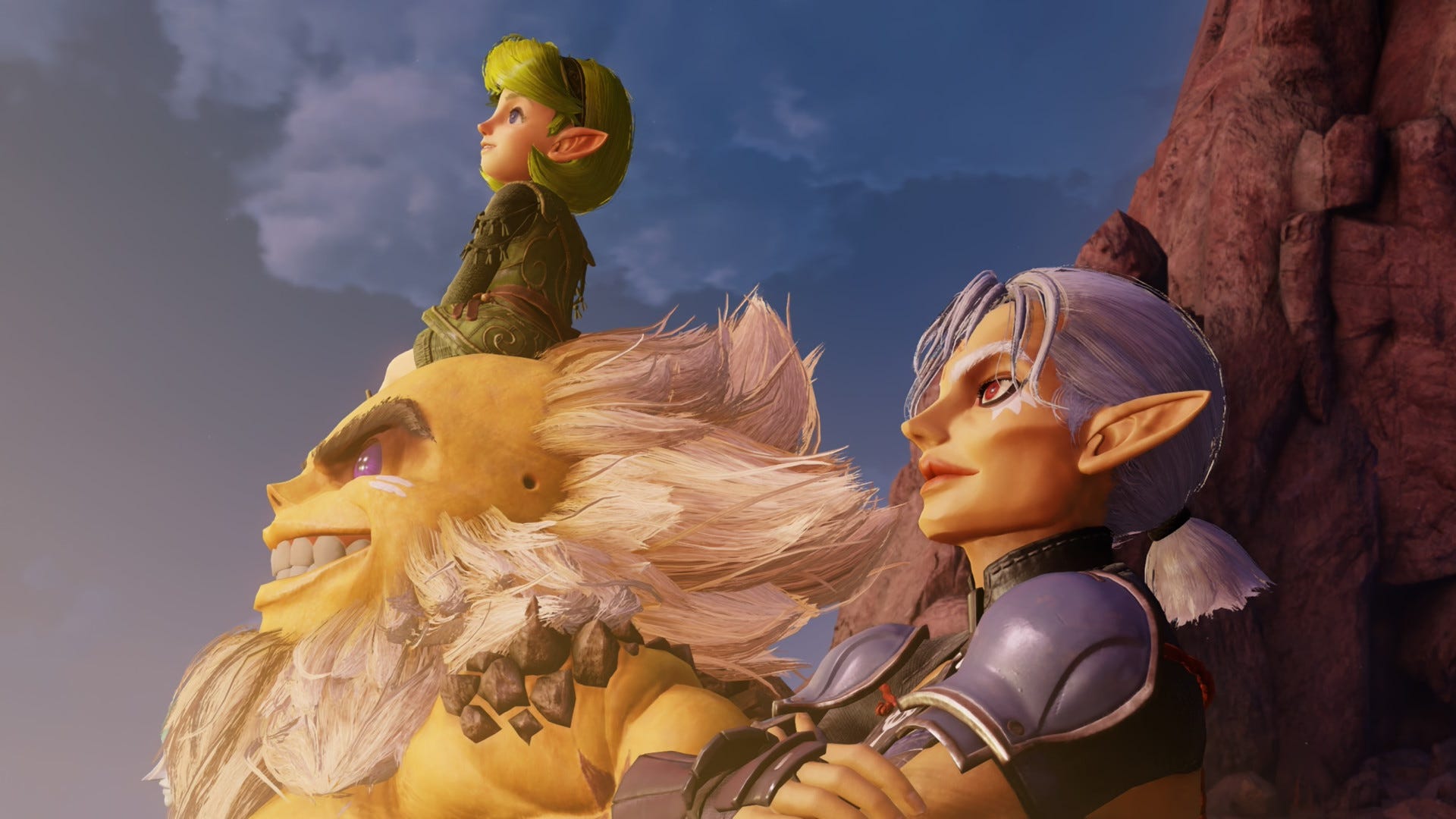
Yet this remake will never eclipse my memories of the first Ocarina of Time. Of course it couldn’t — that game helped launch a new 3D era and defined the childhoods of a whole generation. Where once it innovated, now it represents the safest of safe bets.
But by lavishing such attention on an all-time classic — ahead of a Zelda movie next year — Nintendo has ensured it won’t go out of style for at least another few decades. I look forward to sharing it with my nephews and, eventually, my own toddling son. As much as I detest how media giants can’t seem to move past the hits of yesteryear, some harmonies are worth turning back time for.
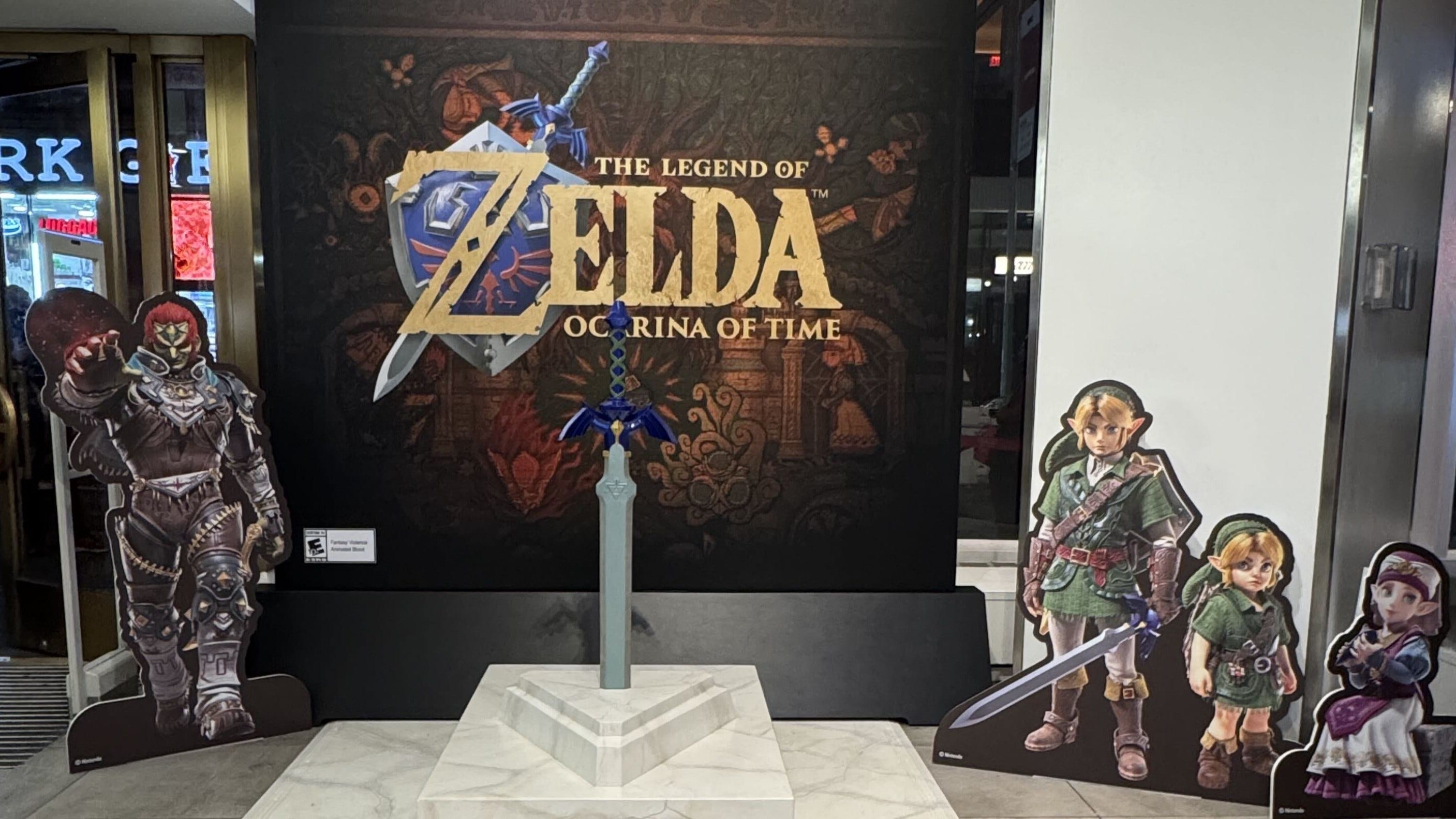
My colleague Natalia Fidelholtz also attended a press event at Nintendo New York, the company’s flagship Manhattan store. She and I concocted questions to pose to Nate Bihldorff, senior vice president of product development and publishing at Nintendo of America. Here are excerpts from her interview, which I’ve lightly edited for clarity:
Nintendo has an extraordinary catalog of games that people would love to revisit, not just this one. Why was Ocarina of Time the right one to bring back now?
Of course we’re this is a year where we’re celebrating 40 years with this franchise. And I think there was never a more natural moment to revisit what I think is absolutely one of the seminal games in the series. Depending on who you ask, they all have a favorite Zelda game. But I think for a lot of us we really circle back to Ocarina of Time. So it really was the perfect game for this moment.
The original really changed what people expected from a 3D adventure game. Some of the things that felt revolutionary in 1998 are commonplace today, obviously. How do you preserve what made it special without making it feel stuck in the past?
I don’t think there’s any one answer to it. I really think it’s the approach of making sure that those emotional beats that are all still present. You can see just by looking and listening to the game the amount of effort that the developers have poured into making it visually striking, you know, as you would expect in 2026, making it sound absolutely beautiful with an orchestral score, revisiting all those themes instead of just repackaging them, I think you can see the level of care that the developers put into making sure that the experience was nostalgic and yet still felt modern and fresh.
There’s an entire generation whose introduction to Zelda was Breath of the Wild or even Tears of the Kingdom. Those are very different games from Ocarina of Time. How do you think the release speaks to those players compared with fans who grew up with the original?
I think the developers did a great job talking about this in the asset developer series that we did. They specifically mentioned that with Breath of the Wild and Tears of the Kingdom, those are much more freeform adventures where a lot of the adventure is being dictated by the player. The path that every player took through those games is probably very, very different. You and I would have very, very different experiences. Going back to a format where it is more curated and where every player is going on the same emotional journey and hitting the same emotional beats is obviously a very different experience, but one that I think that the developers and I hope is equally fulfilling to people who play through it, because they get the payoff of each of those emotional moments.
Speaking of themes, a central one obviously in Ocarina of Time is the passage of time. You’re bringing it back almost three decades later to people who may be playing alongside their own children. This game will mean a lot to those people. Is there something especially fitting about revisiting this particular game in this moment for those audiences?
Absolutely. Ocarina of Time, at its core, is a story about a child who grows into a hero. It’s that journey that is the emotional core of the game. And I think you’re absolutely right that for many people who experience the original, have grown up, had kids of their own, and now will get the opportunity to play this with them. I think it’s just going to be doubly meaningful for those people because they’re layering on their own emotional growth.
Does that passage of time change how you think about the game’s legacy at all?
If anything, I think it reinforces it. You know, the idea that you can revisit a game that was so beloved back in the day and manage to bring it into the modern era without sacrificing anything about what made the original special, and yet make it just as meaningful for a new generation of fans as I expect it to be. I think that’s quite an accomplishment that the developers should be really proud of.
I’d also planned one of my regular Magic: The Gathering reviews but a teaser is the most I can fit in this week. Star Trek’s good but not as great as Reality Fracture. White-Black Borg stands out as an aggressive all-star, Blue-Black dilemmas is cute but inconsistent, and Blue-Green Strange New Worlds is exactly the sort of nonsense I go for (I once milled an opponent out with Ensign Pavel Chekov!).
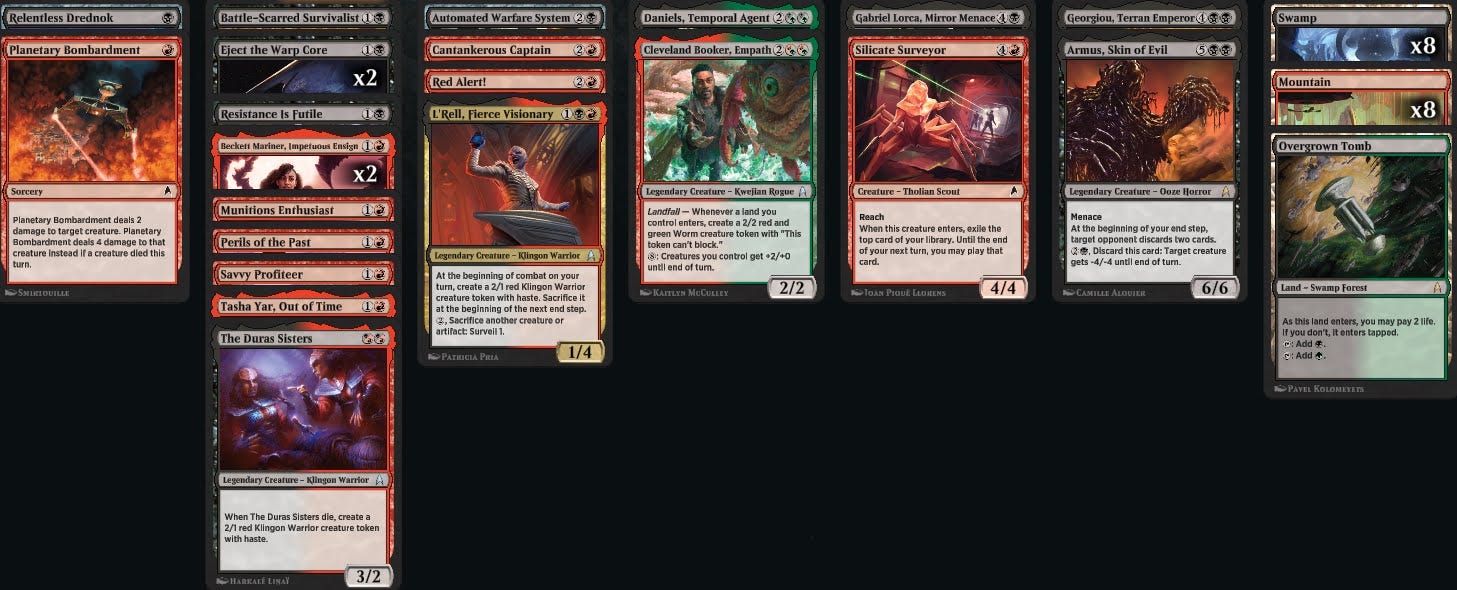
But my most successful deck was a Black-Red Klingon thing with lots of 2-drops, which speaks volumes about the relatively quick speed of the format (note that Armus is really more of a 3-mana kill spell thanks to its activated ability than a 7-drop creature):
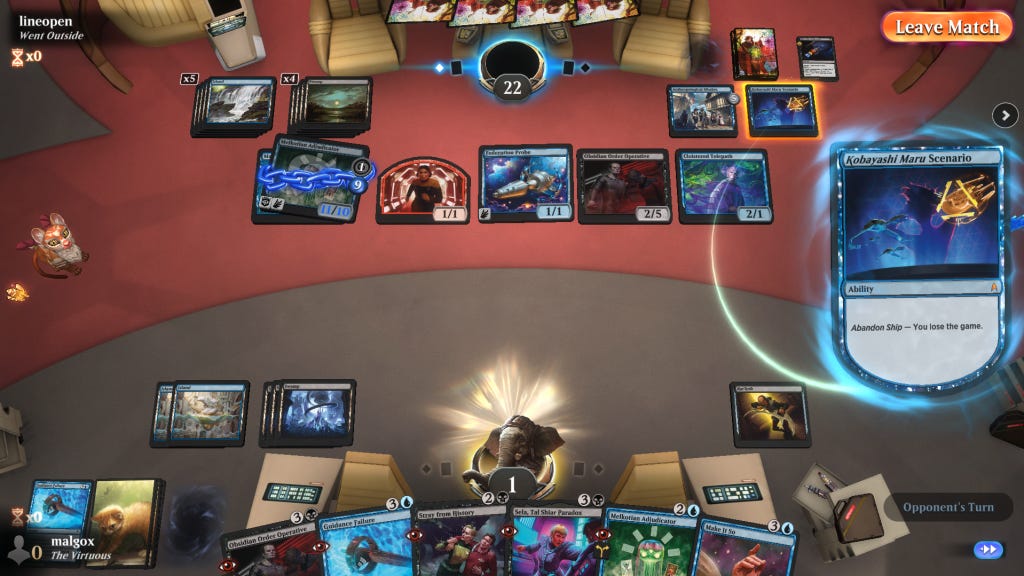
I’ll leave you with my favorite moment from the MTG Arena early access. I drafted a truly terrible Dilemmas deck, but I did manage to survive at one life as my opponent Kobayashi Maru’d themselves to death. They kept desperately drawing cards in what I assume was an effort to find an out like Rules of Acquisition:
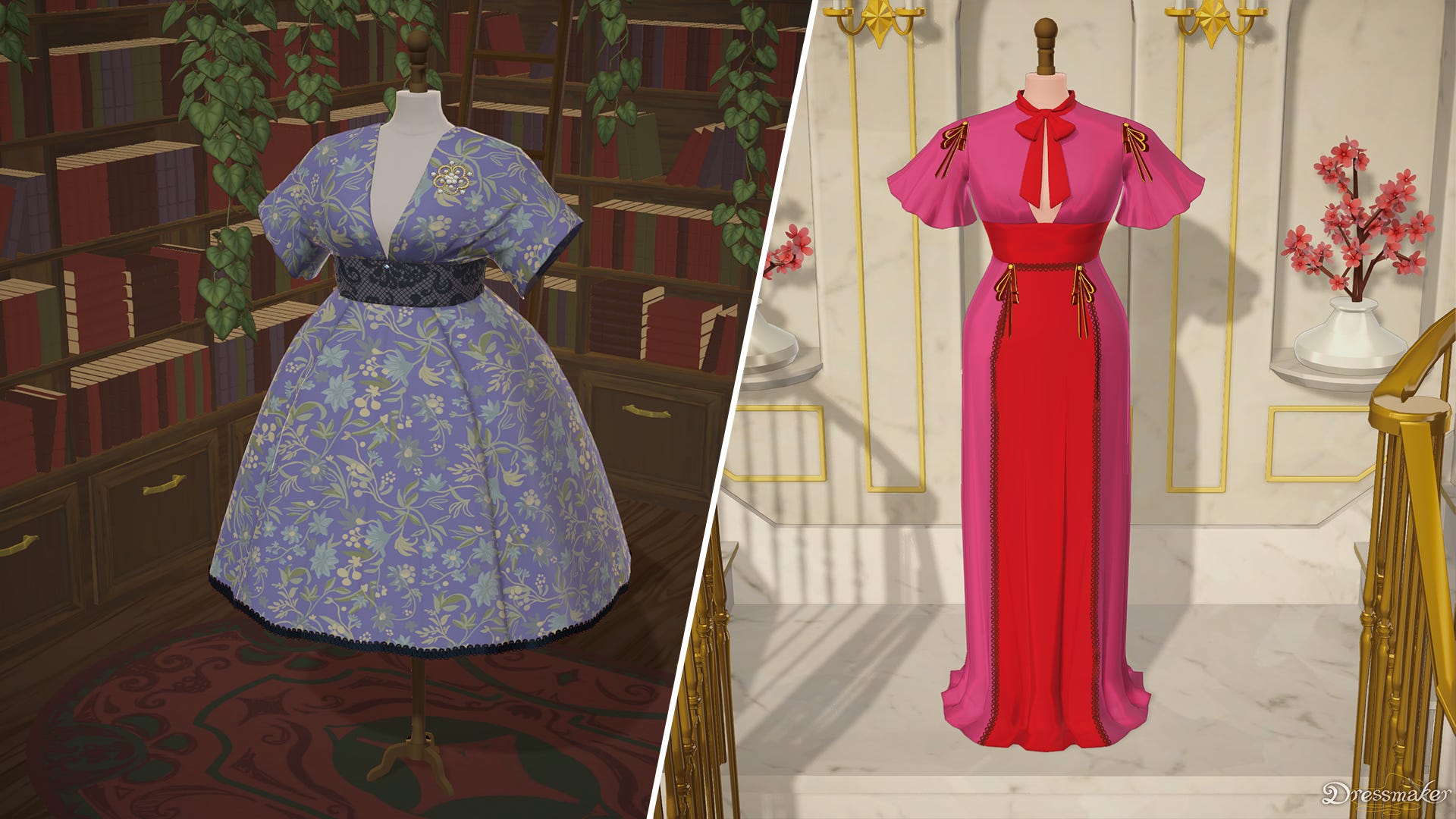
I’ll have more to say about Magic: The Gathering — Star Trek next week, along with another delight my wife and I have finally picked up: Dressmaker. Here are two of our early designs in this couture simulator meets visual novel (really, they’re her designs, I’m mainly a sounding board):
Story via Gameswithjames Substack. Read the original article